POMEN Takes Malaysian Digital Innovation to InnoTrans 2026 in Berlin Berlin, Germany | 23 September 2026 — POMEN has officially begun its participation at InnoTrans 2026, the international trade fair for transport technology, taking place in Berlin from 22–25 September 2026. Representing Malaysia, POMEN is showcasing its digital solutions and capabilities for the railway, fleet, logistics and mobility sectors, connecting with industry players and exploring opportunities within the global transportation ecosystem. This year’s InnoTrans brings together 3,170 exhibitors from 59 countries, making its 30th-anniversary edition the largest in the event’s history. With a strong focus on AI, robotics, automation and digitalization, the event provides an important platform for companies shaping the future of mobility. Syed Zulhilmi, CEO of POMEN (Left), Nazmi Najib, CTO of POMEN (Right) Selangor’s Support on the International Stage One of the highlights of POMEN’s first day was welcoming YB Ng Sze Han, Selangor State Executive Councillor for Investment, Trade & Mobility, to the POMEN booth. The visit was also joined by the VentureTECH team, marking a meaningful moment of support for Malaysian technology and innovation on the international stage. POMEN appreciates the opportunity to connect with Malaysian stakeholders and share how homegrown technology companies are contributing to the digitalization of transportation and asset-intensive industries. YB Ng Sze Han (Left), Syed Zulhilmi (Right) Bringing ENFLEET to the Railway Industry At InnoTrans, POMEN is putting a particular focus on ENFLEET, bringing its fleet and asset maintenance management capabilities into the railway industry. ENFLEET connects Enterprise Asset Management (EAM), Computerised Maintenance Management System (CMMS) and asset lifecycle management into one digital platform supporting better maintenance visibility, structured workflows and data-driven operational decision-making. As transportation and mobility systems become increasingly connected, the need for better asset visibility, streamlined maintenance workflows and actionable data continues to grow. From Malaysia to Berlin For POMEN, InnoTrans is not only an opportunity to showcase technology, but also to listen, learn and connect with industry players from around the world. Our participation is another step in POMEN’s journey to bring Malaysian-built digital solutions to international markets. A special thank you to VentureTECH Malaysia External Trade Development Corporation (MATRADE) and Invest Selangor Berhadfor helping bridge Malaysian technology and innovation to the world. YB Ng Sze Han (Left), Syed Zulhilmi (Right) We look forward to the conversations, connections and opportunities ahead over the remaining days of the exhibition. Linkedin Facebook Instagram Youtube
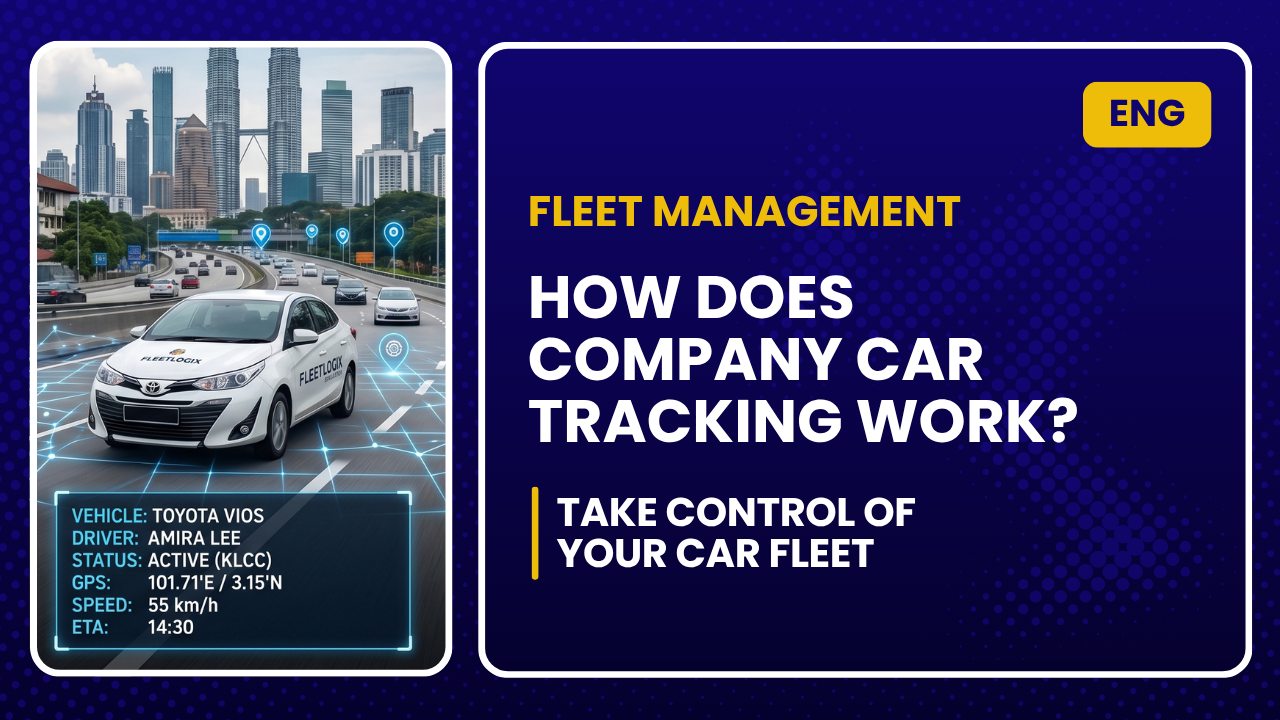
Pomen’s GPS car tracking solution gives fleet managers complete control over their vehicle fleet. A Geotab telematics device enables real-time monitoring of location, speed, mileage, fuel and driver behaviour — all from a single platform. 1 Geotab Device Installed in Vehicle A compact telematics device connects to your vehicle’s OBD port or battery, collecting real-time data on location, speed, engine hours and diagnostics. 2 Data Transmitted to the Cloud Vehicle data is securely sent to the cloud in real time — no manual reports, no waiting for drivers to check in. 3 Fleet Dashboard & Insights Access your full fleet from the myGeotab dashboard — live locations, journey history, driver behaviour scores and maintenance alerts. 4 Take Action & Optimise Use the insights to reduce costs, coach drivers, plan maintenance and keep your fleet running at peak efficiency. Telematics Pipeline Vehicle → Geotab Device → Cloud → Dashboard → Action Real-TimeLocation Updates 360°Fleet Visibility AutoMaintenance Alerts LiveDriver Behaviour Features of GPS Tracking for Company Cars A comprehensive set of tools built to give fleet managers visibility, control and efficiency across every vehicle in their fleet. Real-Time Location Tracking Live map view showing the exact whereabouts of your car fleet at any given time — accessible from desktop or mobile. Journey History & Playback Review detailed past journeys and routes. Analyse the data and make informed fleet management decisions. Estimated Time of Arrival (ETA) Precise arrival information for better delivery planning and improved customer service reliability. Geofence Alerts Set up geofences and receive instant alerts when vehicles enter or leave defined areas — protecting assets around the clock. Driver Behaviour Monitoring Track speeding, harsh braking, rapid acceleration and idling — promoting safer driving and reducing accident risk. Detailed Reporting Comprehensive reports on fleet performance to identify improvement areas, optimise routes and enhance operational efficiency. Fleet Grouping Organise vehicles into teams or groups for easier management and monitoring across departments or locations. Mileage Tracking Accurately track private and professional mileage for tax purposes, reporting and simplified record-keeping. Fuel Consumption Monitoring Cut wasted mileage and optimise driving practices to reduce fuel spend and save your business money every month. Key Benefits of Car Tracking for Fleet Management From cost savings to driver safety, GPS car tracking delivers measurable impact across your entire fleet operation. Enhanced Fleet Effectiveness Real-time tracking and historical visibility lead to better route optimisation, higher productivity and improved fuel consumption. Improved Security Monitor real-time vehicle location. In the event of theft or unexpected usage, tracking aids recovery and identifies those responsible. Theft Deterrence & Recovery A tracking device deters theft and — if a vehicle is stolen — facilitates recovery and minimises potential losses. Driver Behaviour Coaching Identify unsafe habits and implement corrective coaching to reduce accidents, vehicle wear and insurance premiums. Improved Customer Service Keep customers informed about vehicle status and ETAs ahead of planned visits or deliveries — building trust and reliability. Cost Savings Streamline routes, minimise idle time and schedule proactive maintenance to cut fleet operating expenses significantly. Cut Wasted Mileage Identify wasted mileage, optimise resource use and reduce unnecessary costs while improving safety and service levels. Insurance Benefits Many insurers offer discounts for GPS-equipped vehicles. Demonstrate proactive safety to negotiate lower premiums. Smart Decision Making Vehicle and driver performance data empowers businesses to optimise operations, enhance efficiency and pinpoint areas for improvement. Tracking for Mixed Fleets Pomen’s GPS tracking covers all vehicle types — from company cars and vans to lorries, trucks and heavy commercial vehicles. One platform, one dashboard, complete fleet control. Car Tracking Van Tracking Lorry Tracking Truck Tracking Heavy Vehicle Tracking Asset Tracking Get Free Assessment Why Choose Pomen Autodata? Built for Malaysian businesses, backed by world-leading telematics technology and the country’s largest workshop network. Proven Expertise Deep automotive and fleet management expertise built for the Malaysian market and operational environment. Geotab Partnership Powered by Geotab — one of the world’s leading telematics platforms, trusted by organisations globally. 1,500+ Workshop Network Backed by Malaysia’s largest workshop network — connecting fleet intelligence with on-the-ground service execution. Local Support Dedicated Malaysian support team to help you get the most from your fleet tracking investment from day one. Frequently Asked Questions What is car tracking? Car tracking uses GPS technology to monitor and track the location and movement of a vehicle in real time. A tracking device installed in the car collects and sends data to a cloud platform, providing insights into routes, speed and overall vehicle usage — for both fleet management and security purposes. What do company car trackers record? A GPS device records the precise location and coordinates of the vehicle along with date, time, speed, mileage, engine hours, driving behaviour events and diagnostic information — depending on the device and configuration. How is the GPS tracker installed? Geotab tracking devices connect to the vehicle’s OBD port for quick self-installation, providing access to additional vehicle data such as odometer readings and diagnostic fault codes. Professional installation is also available for larger fleets. What benefits will I get from a GPS car tracking system? A GPS car tracking system delivers enhanced vehicle security, efficient fleet management, improved driver safety, potential insurance discounts, increased fuel efficiency and real-time operational intelligence. Businesses can optimise routes, monitor driver behaviour and reduce overall fleet operating costs. Can I track mixed fleets — cars, vans and lorries — in one system? Yes. Pomen’s fleet tracking solution supports all vehicle types on a single platform, giving fleet managers a unified view across all vehicle categories with the same features and reporting capabilities. Ready to Take Control of Your Car Fleet? Contact Pomen Autodata today for a free fleet assessment and personalised demonstration of our GPS car tracking solution. Real-Time GPS Tracking Driver Behaviour Monitoring Journey History & Playback Geofence Alerts Fuel Cost Optimisation Get Free Assessment
A modern commercial vehicle generates a continuous stream of data, from location and mileage to engine hours, diagnostics, driving behaviour and fuel usage. But capturing the data is only the first step. For fleet operators, the real value comes from turning that data into information that helps people make better decisions. When a vehicle is connected to a telematics platform, data from the road can move into a central dashboard where fleet teams can monitor performance, identify potential issues and take action before small problems become expensive ones. This is where telematics moves beyond simple vehicle tracking. It becomes a tool for fleet visibility, maintenance planning, cost control and operational decision-making. What Is Telematics? Telematics combines telecommunications and vehicle technology to collect and transmit information from connected vehicles. Depending on the vehicle, device and configuration, a telematics device can capture: Vehicle Location Speed Mileage Engine Hours Vehicle Status Diagnostic Information Driving Behaviour Idling Acceleration & Braking Events Fuel-Related Information Instead of relying entirely on drivers, manual reports or spreadsheets, fleet operators can access information generated directly from the vehicle. The important part is what happens next. The Telematics Pipeline A useful way to understand telematics is to look at the journey from the vehicle to the person making the decision. 1 The Vehicle Generates Data Every time a commercial vehicle is driven, it produces information about its movement, operation, mileage and diagnostic conditions. Traditionally, much of this remained inside the vehicle until manually retrieved. 2 The Telematics Device Collects the Information A device such as Geotab acts as the connection between vehicle and digital platform — transmitting relevant information to the cloud without waiting for a driver to report it. 3 Data Moves to the Cloud Without a central system, fleet information fragments across driver reports, spreadsheets, GPS systems, workshop invoices and inspection records. A connected platform brings it into one accessible environment. 4 Raw Data Becomes a Dashboard This is where ENFLEET becomes important — turning connected vehicle data into information fleet teams can use to understand what is happening and act on it. A fleet manager doesn’t want thousands of raw data points. They need answers: Where are my vehicles? Which vehicles need attention? Which vehicles are being underutilised? Which drivers require coaching? Which vehicles may require maintenance? Where are we losing money? How Vehicle Data Turns Into Action? The biggest mistake businesses can make with telematics is treating it as simply a tracking system. Knowing where a vehicle is can be useful — but it doesn’t automatically reduce costs. The greater opportunity comes when different types of vehicle data connect to specific business decisions. 1 Mileage Data → Maintenance Planning Mileage is one of the most basic pieces of fleet information, but it has a significant operational impact. If collected manually, teams rely on driver updates, spreadsheet calculations and calendar reminders — creating opportunities for information to become outdated. With automated mileage data, fleet teams can monitor vehicle usage more consistently and plan service scheduling with greater accuracy. The goal is not simply to collect mileage — it’s to use mileage to make better maintenance decisions. Plan maintenance earlier Reduce administrative work Improve service scheduling Keep maintenance records organised Reduce missed service intervals Better cost forecasting 2 Diagnostic Data → Earlier Maintenance Action A vehicle can sometimes provide warning information before a maintenance issue becomes a major operational problem. This creates an important shift in maintenance thinking: Traditional Problem occurs Vehicle stops Driver reports issue Workshop investigates Connected Vehicle data flagged Issue identified early Fleet team reviews Maintenance planned A breakdown can mean missed deliveries, recovery costs, replacement vehicles, driver disruption and lost utilisation. Maintenance data is part of fleet performance — not just a workshop responsibility. 3 Driver Behaviour Data → Better Fleet Efficiency Telematics provides visibility into driving behaviours — speeding, harsh acceleration, harsh braking, excessive idling. These insights help fleet operators identify patterns and investigate the root cause rather than assume what’s happening. Driver behaviour data supports a continuous improvement cycle: Baseline → Identify behaviour → Coach driver → Monitor improvement Identify idling patterns Targeted driver coaching Reduce vehicle wear Improve fuel efficiency Enhance road safety Data-driven performance reviews 4 Utilisation Data → Better Fleet Planning A fleet represents a significant investment. The question is not only whether vehicles are moving — it is whether the fleet is being used effectively. Connected data helps businesses understand usage patterns, operating hours, periods of inactivity and overall vehicle activity. Data becomes valuable when it changes a decision. Vehicle replacement planning Fleet size optimisation Route planning improvements Vehicle allocation decisions Maintenance scheduling Operational planning How Real-Time Alerts Eliminate Fleet Downtime? Scenario A: Manual Reporting Driver notices issue Finishes the route Informs fleet team Someone records it Workshop contacted Appointment arranged Scenario B: Connected Fleet Vehicle data transmitted Fleet team receives alert Issue reviewed Action planned Vehicle scheduled Problem resolved early The difference is not simply technology. It is time. The earlier a business has relevant information, the more opportunity it has to respond. How Actionable Dashboards Drive Fleet Decisions? The dashboard is the starting point for action — not the end goal. A useful fleet dashboard answers business questions rather than presenting raw data. Instead of”Here are 500 vehicles.” AskWhich vehicles need attention? Instead of”Here are today’s driving events.” AskWhich behaviour should we address? Instead of”Here is the mileage.” AskWhich vehicles are approaching maintenance? Instead of”Here is the vehicle location.” AskIs it where it should be? Is it utilised well? Data tells you what is happening. Insight helps you understand why it matters. Action creates the business value. Connecting Fleet Data With Workshop Operations Fleet data can tell you that a vehicle may require attention — but someone still needs to perform the work. This creates a gap between fleet intelligence and workshop execution. POMEN’s ecosystem is designed around closing that gap. ENFLEET Fleet Intelligence Provides visibility into connected fleet and vehicle data — monitoring, alerts, maintenance tracking and operational analytics. ENGARAGE Workshop Execution Manages day-to-day
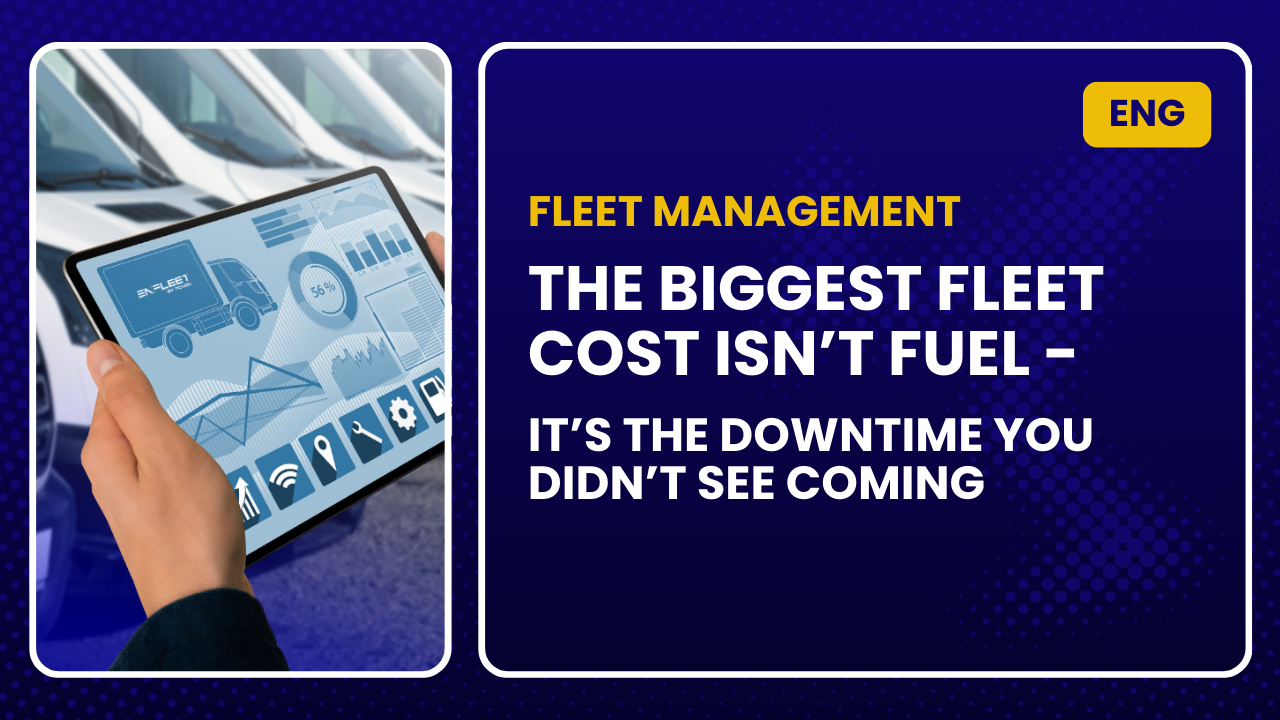
BLOG The Biggest Fleet Cost Isn’t Fuel – It’s the Downtime You Didn’t See Coming March 16, 2026 Marinah Zafirah 4:44 pm When companies evaluate fleet expenses, fuel is usually the first cost everyone talks about. It’s visible, fluctuates with market prices, and appears clearly in monthly reports. In fact, around 60% of fleet managers say fuel management is their top operational priority. But if you ask experienced fleet operators where the real financial pressure lies, many will point somewhere else. The biggest financial risk often isn’t fuel, it’s downtime. And unlike fuel, downtime is often invisible until it becomes expensive. Where Fleet Costs Actually Go Industry benchmarks show that fleet operating costs are typically distributed across several areas: Fuel: ~30–40% of total fleet operating costs Maintenance & repairs: ~15–20% Insurance, depreciation and other costs: remaining portion Fuel may take the largest share of the budget. But the real operational disruption usually happens when vehicles stop moving altogether. That’s when downtime enters the equation. The Real Cost of Downtime A vehicle that isn’t operating doesn’t just incur repair costs; it affects the entire operation. Industry data estimates that unplanned vehicle downtime can cost fleets between $448 and $760 per vehicle per day, depending on operations. Other studies estimate downtime costs can reach around $1,200 per hour in certain operations when lost productivity, delays, and replacement logistics are included. And it’s more common than many realise. Across fleets globally, the average vehicle downtime rate sits around 8.2%, meaning vehicles can be unavailable for nearly 2–3 days every month. For fleets operating at scale, that quickly becomes a major operational and financial drain. Maintenance: The Preventable Cost Maintenance itself isn’t the problem. In fact, maintenance is what prevents downtime. The real issue arises when fleet operations rely on: scattered records spreadsheets manual service logs inconsistent maintenance tracking This leads to reactive maintenance, fixing problems only after a breakdown occurs. Industry research shows that predictive maintenance and proactive tracking can reduce downtime by up to 45% and maintenance costs by around 30%. In other words, visibility into fleet health changes everything. The Shift Toward Data-Driven Fleet Operations Modern fleets are moving away from manual tracking toward digital fleet management systems that centralise operational data. With proper visibility, fleet operators can: track vehicle service schedules monitor asset utilisation identify recurring maintenance issues detect inefficiencies earlier Instead of reacting to problems, teams can anticipate them. This shift from reactive to proactive management is what separates high-performing fleets from those constantly dealing with breakdowns. Why Visibility Matters More Than Ever Fleet management today isn’t just about tracking vehicles.It’s about understanding the complete lifecycle of your fleet assets. When fleet managers can clearly see: maintenance history vehicle utilisation operational performance They can make decisions that reduce downtime, extend vehicle lifespan, and improve operational efficiency. This is the philosophy behind digital fleet platforms like ENFLEET, which help organisations centralise fleet data and maintenance tracking so operational issues can be addressed before they escalate into costly disruptions. The Question Fleet Operators Should Ask The real question is no longer: “How much are we spending on fuel?” But rather: “How much are we losing because we can’t see what’s happening in our fleet?” Because in many cases, the most expensive cost in fleet operations isn’t fuel or maintenance. It’s downtime that could have been prevented. Back to Blogs
NEWS POMEN Awarded with malaysia digital (MD)status by MDEC August 5, 2025 Marinah Zafirah 1:01 pm It’s official – POMEN is Malaysia Digital Status certified! We’re thrilled to share that POMEN has officially been awarded the Malaysia Digital (MD) Status by the Malaysia Digital Economy Corporation (MDEC). What began as a humble mission to help stranded drivers on the roadside has expanded into a bigger scale across multiple industries. What is Malaysia Digital (MD) Status? Malaysia Digital (MD) Status is a prestigious recognition by MDEC — awarded to companies that play a key role in driving digital innovation and the country’s digital economy. Hence, with this title, it is a strong validation of POMEN’s long-term vision to empower the automotive industry with digital solutions or tools to step up their businesses on top of to support Malaysia’s broader digital agenda. We extend our appreciation to MDEC, partners, investors and the workshop community who believed in our solution. This achievement is definitely a collective win. Hoping that the road ahead opens more doors for POMEN to contribute to Malaysia’s positioning as one of the trusted technology enabler in automotive digitalization. Back to Blogs
NEWS Building a Secure Digital Future – POMEN is Now ISO 27001 Certified May 20, 2025 Marinah Zafirah 2:31 pm It’s official – POMEN is now ISO 27001 certified! When businesses choose a technology partner, trust and reliability are key especially for those in the enterprise and government sectors. As we continue to grow in the digital automotive space, handling thousands of data points daily across our platforms, we understand the importance of building a strong and secure foundation. That’s why data security has become a top priority, not just within our software, but also through the way we manage our internal policies, processes, and day-to-day operations. This certification is more than just a milestone — it represents our ongoing commitment to protecting data, managing risks, and delivering dependable digital solutions. Most importantly, it gives our clients and partners the confidence to do business with us, knowing that security and reliability are at the core of everything we do. Your workshop opens for the day. One customer walks in without notice, another sends a late-night WhatsApp asking to book for tomorrow, and the whiteboard already looks like a map of confusion. Your team is trying to figure out who to serve next, a customer is waiting longer than expected, and someone just realised a booking was missed entirely. The issue isn’t your staff. It’s the outdated booking method. If your workshop still relies on paper notes, verbal reminders, or WhatsApp chats to manage bookings, you’re probably wasting more time than you realise. This is where a digital booking system comes in. It keeps your daily schedule organised, your technicians informed, and your customers happy. Here’s how a system like ENGARAGE can save you hours every week. What is ISO 27001? ISO 27001 is an international standard that focuses on Information Security Management Systems (ISMS). It ensures that companies have a solid framework in place to manage sensitive data, protect systems from threats, and handle risks in a structured way. Why This Matters for POMEN As we continue to onboard more enterprise clients, expand across Southeast Asia, and introduce existing and newer services like ENGARAGE, ENFLEET, ENGARAGE Enterprise, and ENHIVE, data security has become more critical than ever. Our clients, from independent workshops to large-scale fleet operators, entrust us with valuable business and vehicle information every day. Our digital solutions are designed to help businesses, fleet operators, and workshops move away from manual processes and manage their operations more efficiently, transparently, and professionally. Hence, in order to do that, we would need to ensure full security of data entrusted to us. How Being ISO 27001 Certified Benefits Us ✅ Strengthens customer trust ✅ Opens more business opportunities ✅ Improves internal processes ✅ Positions us for global readiness What’s Next? This is just the beginning of our bigger vision to become a trusted leader in the digital landscape. Now, with stronger security foundations, we’re ready to serve our users better than ever. One that puts innovation, customer experience, and security at the core of everything we do. Back to Blogs