ADAS System for Fleet Vehicles in Malaysia

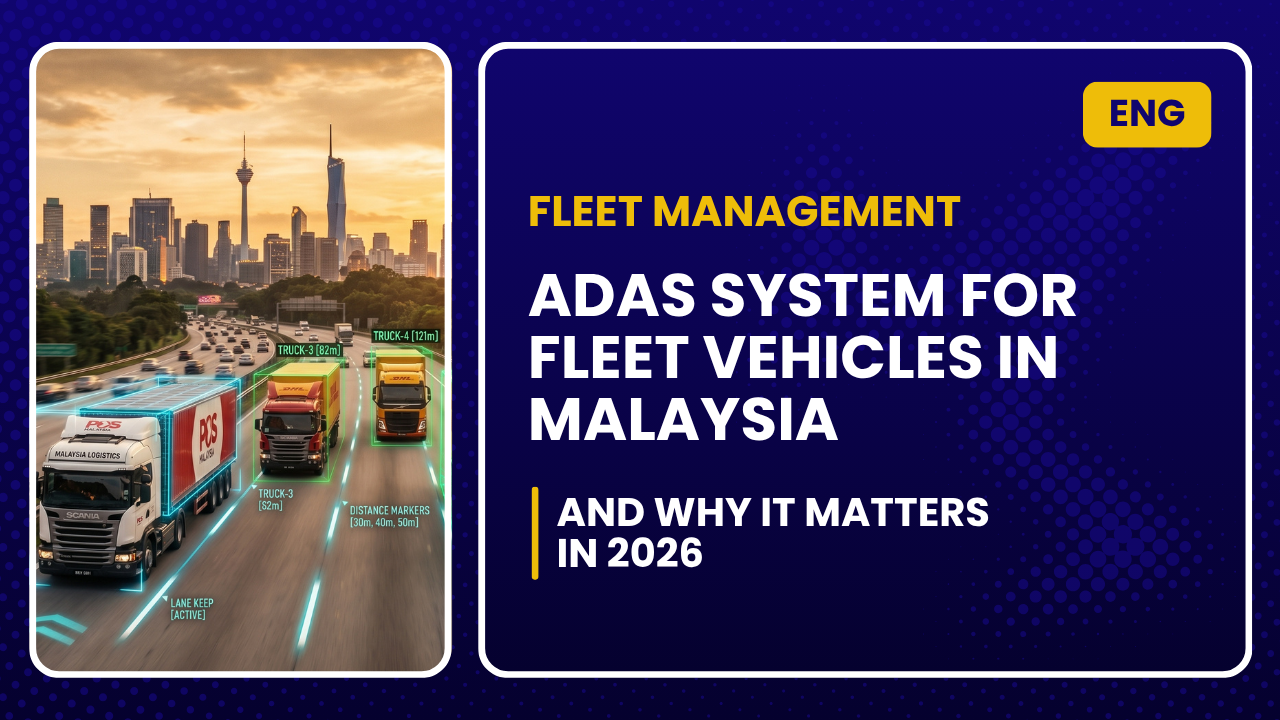
As Malaysian businesses continue to expand their transportation and fleet operations, ensuring driver safety has become a top priority. Whether you manage lorries, company cars, delivery vans, or commercial trucks, ADAS technology can significantly reduce accident rates while improving operational efficiency. Through the partnership between Pomen Autodata and Geotab, businesses can leverage advanced fleet management solutions integrated with ADAS technology to gain greater visibility into driver behavior and vehicle safety performance. What Is an ADAS System? Advanced Driver Assistance Systems (ADAS) are intelligent vehicle safety technologies designed to help drivers avoid accidents, reduce risks, and improve driving behavior. Using a combination of cameras, sensors, GPS, and artificial intelligence, ADAS provides real-time alerts and assistance to drivers on the road. Forward Collision Warning Lane Departure Warning Following Distance Monitoring Driver Distraction Detection Harsh Driving Detection Real-Time Safety Alerts GPS Fleet Integration Driver Coaching Why ADAS Matters for Fleet Management Road accidents can result in vehicle damage, costly repairs, insurance claims, delivery delays, and potential harm to drivers. Traditional fleet tracking systems provide location data, but ADAS takes fleet safety to the next level by proactively identifying and preventing risky driving situations. With ADAS-enabled fleet management, businesses can: Improve driver safety Reduce accident-related costs Lower vehicle downtime Increase fleet efficiency Support compliance & risk management Protect company assets & reputation Key ADAS Features for Commercial Fleets Forward Collision Warning Detects when a vehicle is approaching another too quickly and alerts the driver to take corrective action — reducing rear-end collisions. Lane Departure Warning Alerts drivers when the vehicle unintentionally drifts out of its lane without signalling — preventing fatigue-related highway incidents. Following Distance Monitoring Continuously monitors vehicle gaps and warns drivers when following too closely — encouraging safer driving habits and reducing collision risks. Driver Distraction Detection Identifies distracted driving behaviors — mobile phone usage, inattentiveness, or prolonged eye diversion — to reduce on-road incidents. Harsh Driving Detection Detects harsh braking, rapid acceleration, sudden cornering, and speeding — lowering fuel consumption, vehicle wear, and improving accountability. Real-Time GPS Integration ADAS data feeds directly into Geotab’s fleet platform — giving managers live location, safety events, and driver performance in one dashboard. Industries That Benefit from ADAS Fleet Solutions ADAS technology is valuable across many industries — any organization that relies on vehicles can benefit from enhanced visibility, safety monitoring, and driver performance management: Logistics & Transportation Delivery Services Construction Fleets Field Service Businesses Corporate Vehicle Fleets Government & Municipal Fleets Manufacturing & Distribution Facilities Management Combining ADAS with GPS Fleet Tracking When integrated with Geotab’s fleet management platform, ADAS data becomes even more powerful. Fleet managers can access: Real-Time Vehicle Tracking Driver Safety Insights Fleet Performance Analytics Incident Investigation Tools Driver Coaching Opportunities Custom Alerts & Reporting Centralized Fleet Dashboard Risk & Compliance Management By integrating advanced safety technology with powerful fleet management tools, businesses can make data-driven decisions that improve safety, productivity, and profitability. Why Choose Pomen Autodata & Geotab? Intelligent Fleet Safety for Malaysian Businesses Pomen Autodata partners with Geotab to deliver intelligent fleet management solutions tailored to Malaysian businesses. Our solution combines: GPS fleet tracking Vehicle telematics Driver behaviour monitoring ADAS integration Fleet analytics & reporting Real-time fleet visibility As fleet operations become increasingly data-driven, ADAS is no longer a luxury — it’s a strategic investment. Businesses that adopt advanced driver assistance technologies can reduce risks, improve driver performance, and gain greater control over their fleet operations. Ready to Improve Fleet Safety? Contact Pomen Autodata today to learn how our GPS fleet tracking and ADAS-enabled solutions can help your business operate smarter and safer across Malaysia. Forward Collision Warning Lane Departure Warning Driver Distraction Detection Harsh Driving Detection GPS Fleet Integration Get Free Assessment
GPS Fleet Tracking For Lorries, Cars & Trucks in Malaysia

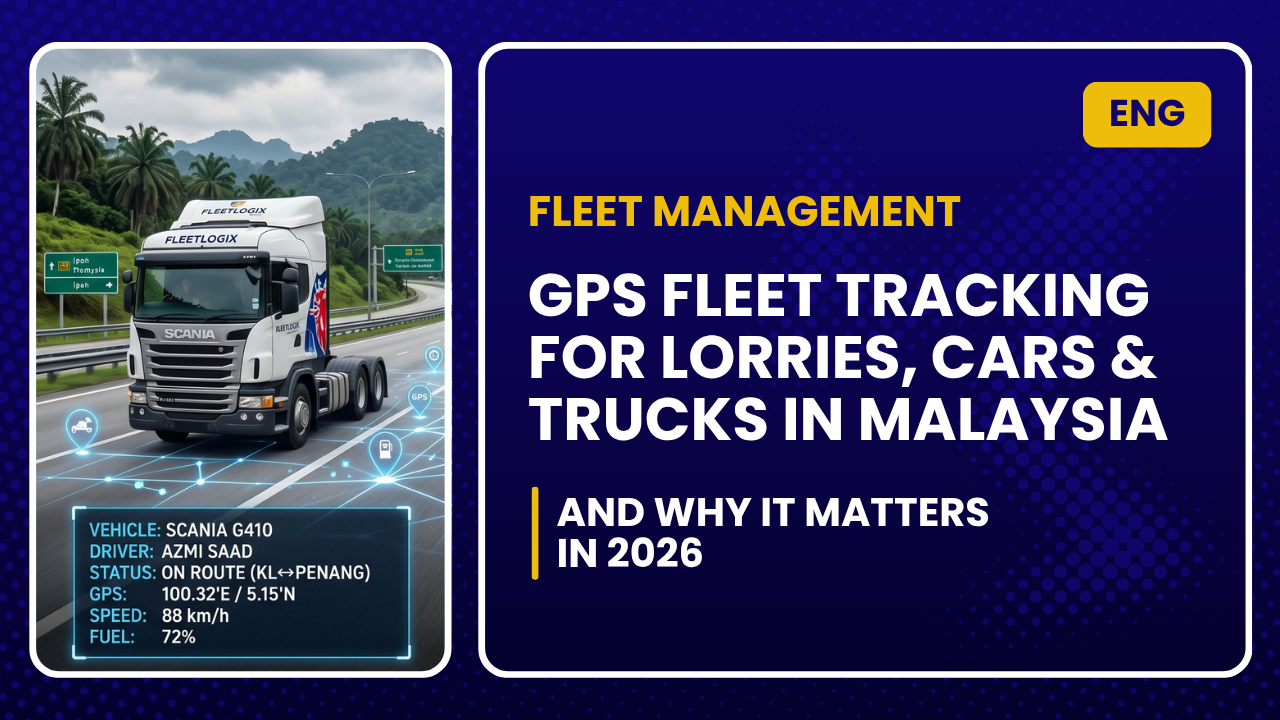
In today’s fast-paced business environment, managing a fleet of vehicles efficiently is no longer optional — it’s essential. Whether your company operates lorries, company cars, delivery vans, or heavy-duty trucks, having real-time visibility into your fleet can significantly improve productivity, reduce operating costs, and enhance customer satisfaction. Through the partnership between Pomen Autodata and Geotab, businesses in Malaysia can leverage advanced GPS fleet tracking technology to monitor, manage, and optimize their fleet operations from a single platform. What Is a GPS Fleet Tracking System? A GPS fleet tracking system uses telematics technology to provide real-time data about your vehicles. With access to accurate, actionable data, fleet managers can make informed decisions that improve operational efficiency and reduce unnecessary expenses. Vehicle Location Tracking Route History & Playback Driver Behaviour Monitoring Fuel Usage Analysis Vehicle Health Diagnostics Maintenance Reminders Geofencing Alerts Idling & Engine Monitoring Why Malaysian Businesses Need GPS Fleet Tracking Many businesses still rely on manual reporting and phone calls to monitor their fleet. This often leads to compounding inefficiencies that eat directly into your bottom line: Uncertainty about vehicle locations Excessive fuel consumption Unauthorized vehicle usage Delayed deliveries Increased maintenance costs Reduced accountability A GPS fleet management solution eliminates these challenges by providing complete visibility into your fleet operations. Benefits of GPS Tracking for Your Fleet Real-Time Visibility Know exactly where every vehicle is at any given time. Enable better dispatching and route planning across your entire fleet. Reduce Fuel Costs Identify excessive idling, unnecessary detours, inefficient routes, and aggressive driving to cut fuel spend significantly. Driver Accountability Monitor harsh braking, rapid acceleration, speeding, and idling. Coach drivers to build safer habits and reduce vehicle wear. Increase Productivity Better route optimization and vehicle utilization let you complete more jobs per day, reduce downtime, and improve scheduling. Prevent Unauthorized Use Receive alerts when vehicles operate outside designated areas or working hours. Protect your assets and ensure accountability. Proactive Maintenance Monitor vehicle health and receive maintenance reminders based on mileage, engine hours, and diagnostic fault codes. Industries That Benefit from Fleet Tracking GPS fleet tracking solutions scale across industries — whether you manage five vehicles or five hundred: Logistics & Transportation Delivery & Courier Services Construction Companies Facilities Management Service & Maintenance Businesses Rental Vehicle Operators Government & Municipal Fleets Distribution Companies Why Choose Geotab Fleet Tracking? As one of the world’s leading telematics providers, Geotab delivers powerful fleet intelligence solutions trusted by organizations worldwide. Key capabilities include: Real-Time GPS Tracking Advanced Telematics Analytics Driver Safety Monitoring Fuel Efficiency Reporting Vehicle Diagnostics Maintenance Management Compliance Reporting Custom Dashboards & Alerts The platform is designed to help businesses make data-driven decisions while improving operational efficiency and reducing costs. Pomen Autodata & Geotab Partnership Your Local Fleet Intelligence Partner Pomen Autodata partners with Geotab to provide Malaysian businesses with a comprehensive fleet management solution tailored to local operational requirements. Our team helps businesses: Deploy GPS tracking devices Set up fleet monitoring dashboards Train fleet managers & admins Analyze fleet performance data Optimize routes and operations Improve vehicle maintenance planning From small business fleets to enterprise-level operations, we provide the expertise and support needed to maximize the value of your fleet data. Take Control of Your Fleet Today Get complete visibility into your lorries, cars, vans, and trucks with industry-leading fleet management technology. Real-Time GPS Tracking Driver Behaviour Monitoring Vehicle Health Diagnostics Fuel Cost Optimization Fleet Performance Analytics Get Free Assessment

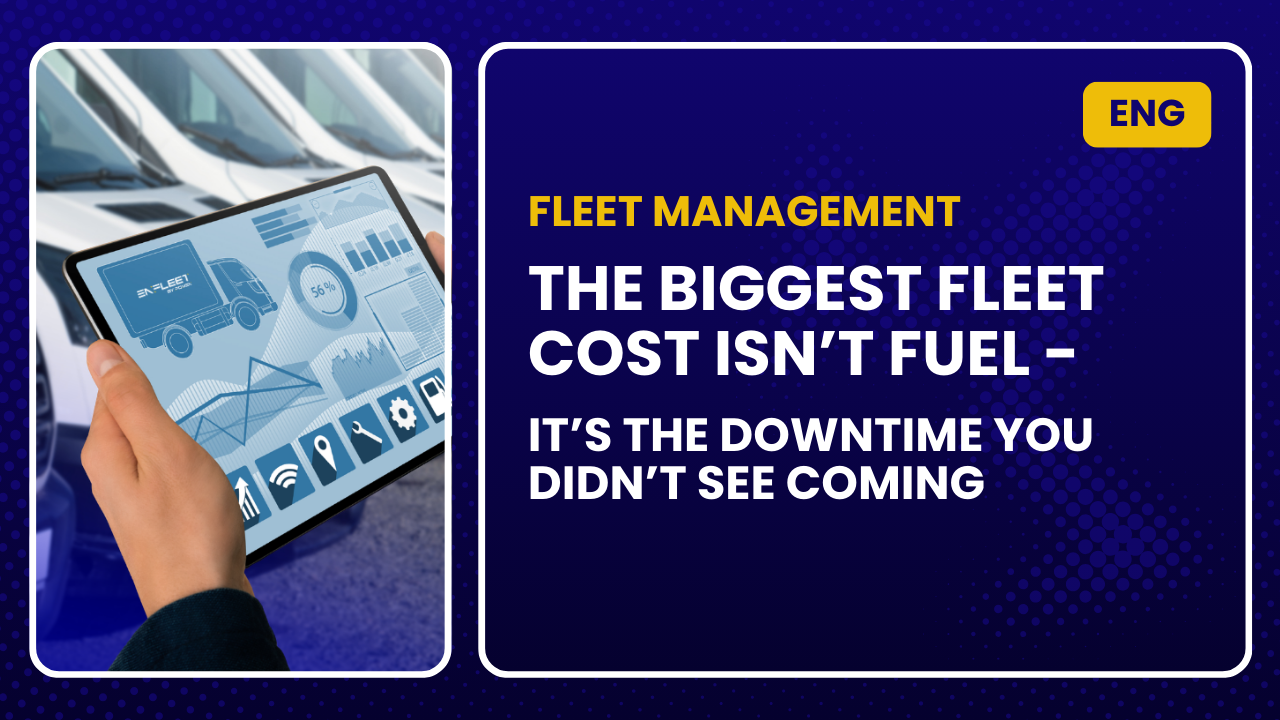
BLOG The Biggest Fleet Cost Isn’t Fuel – It’s the Downtime You Didn’t See Coming March 16, 2026 Marinah Zafirah 4:44 pm When companies evaluate fleet expenses, fuel is usually the first cost everyone talks about. It’s visible, fluctuates with market prices, and appears clearly in monthly reports. In fact, around 60% of fleet managers say fuel management is their top operational priority.   But if you ask experienced fleet operators where the real financial pressure lies, many will point somewhere else. The biggest financial risk often isn’t fuel, it’s downtime. And unlike fuel, downtime is often invisible until it becomes expensive.  Where Fleet Costs Actually Go  Industry benchmarks show that fleet operating costs are typically distributed across several areas:  Fuel: ~30–40% of total fleet operating costs  Maintenance & repairs: ~15–20%  Insurance, depreciation and other costs: remaining portion Fuel may take the largest share of the budget. But the real operational disruption usually happens when vehicles stop moving altogether. That’s when downtime enters the equation.  The Real Cost of Downtime  A vehicle that isn’t operating doesn’t just incur repair costs; it affects the entire operation. Industry data estimates that unplanned vehicle downtime can cost fleets between $448 and $760 per vehicle per day, depending on operations.   Other studies estimate downtime costs can reach around $1,200 per hour in certain operations when lost productivity, delays, and replacement logistics are included.   And it’s more common than many realise.  Across fleets globally, the average vehicle downtime rate sits around 8.2%, meaning vehicles can be unavailable for nearly 2–3 days every month.  For fleets operating at scale, that quickly becomes a major operational and financial drain.  Maintenance: The Preventable Cost  Maintenance itself isn’t the problem. In fact, maintenance is what prevents downtime.  The real issue arises when fleet operations rely on:  scattered records  spreadsheets  manual service logs inconsistent maintenance tracking  This leads to reactive maintenance, fixing problems only after a breakdown occurs.  Industry research shows that predictive maintenance and proactive tracking can reduce downtime by up to 45% and maintenance costs by around 30%. In other words, visibility into fleet health changes everything.  The Shift Toward Data-Driven Fleet Operations Modern fleets are moving away from manual tracking toward digital fleet management systems that centralise operational data. With proper visibility, fleet operators can: track vehicle service schedules monitor asset utilisation identify recurring maintenance issues detect inefficiencies earlier Instead of reacting to problems, teams can anticipate them. This shift from reactive to proactive management is what separates high-performing fleets from those constantly dealing with breakdowns. Why Visibility Matters More Than Ever Fleet management today isn’t just about tracking vehicles.It’s about understanding the complete lifecycle of your fleet assets. When fleet managers can clearly see: maintenance history vehicle utilisation operational performance They can make decisions that reduce downtime, extend vehicle lifespan, and improve operational efficiency. This is the philosophy behind digital fleet platforms like ENFLEET, which help organisations centralise fleet data and maintenance tracking so operational issues can be addressed before they escalate into costly disruptions. The Question Fleet Operators Should Ask The real question is no longer: “How much are we spending on fuel?” But rather: “How much are we losing because we can’t see what’s happening in our fleet?” Because in many cases, the most expensive cost in fleet operations isn’t fuel or maintenance. It’s downtime that could have been prevented. Back to Blogs